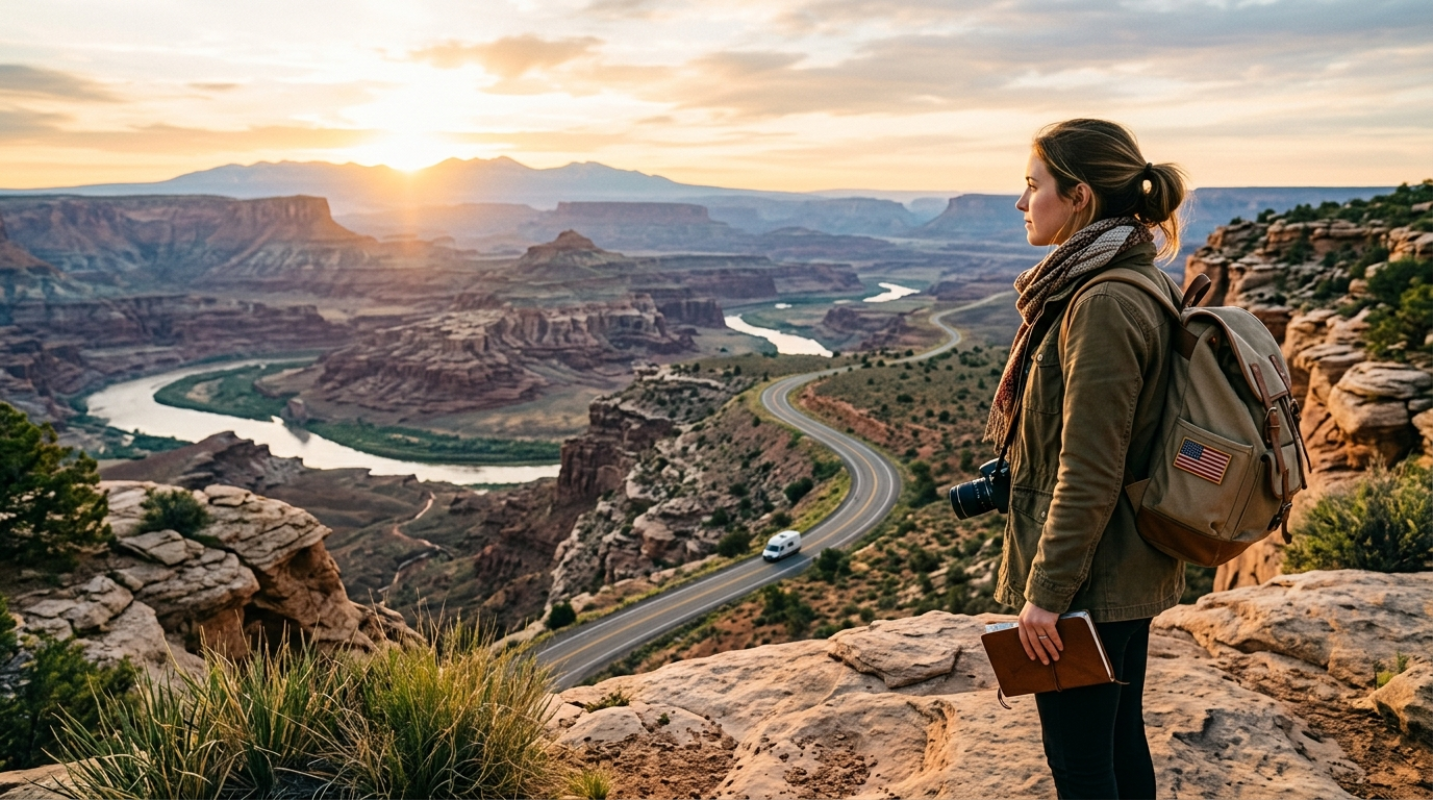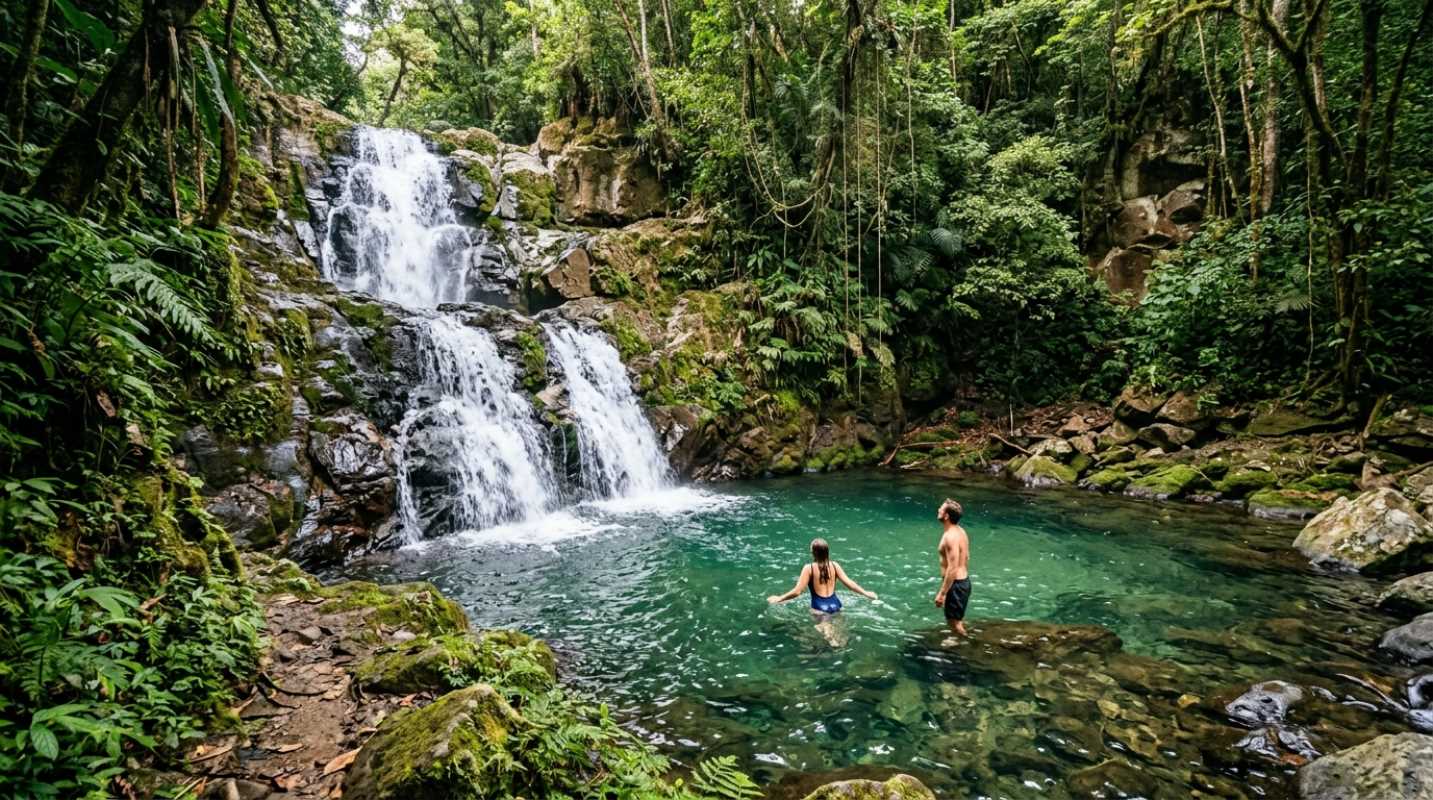
Have you ever stood at the edge of a canyon so vast it made your chest ache? That feeling is exactly why national parks are often called America's best idea. They are not just spots on a map. They are places where you can unplug and remember what the world looks like without a screen in front of your face. In our hyper-connected world, we spend our lives staring at pixels. It's exhausting. That's why so many of us are swapping hotel lobbies for campfires. We want something real, dusty, and wild.
Getting out there is a rite of passage. Whether you want to see steam rising from a volcanic field or watch the sunrise over the Atlantic, these public lands belong to you. Let's talk about the ultimate bucket-list trips you need to take across the country.
The Majesty of the West with Yellowstone and Yosemite
If you want to experience the raw power of nature, you have to head west. This is where the scale of the American wilderness hits you right in the face.
Yellowstone National Park
Yellowstone is the grandparent of them all. Established in 1872, it is the world's first national park. It sits right on top of a massive active volcano. Because of this, the ground literally bubbles and breathes.
You can stand next to the rainbow-colored Grand Prismatic Spring or watch Old Faithful shoot boiling water high into the air. It is also the best place in the country to see iconic wildlife. If you drive through the Lamar Valley, you will likely share the road with massive bison, and you might even spot grizzly bears or wolves.
Yosemite National Park
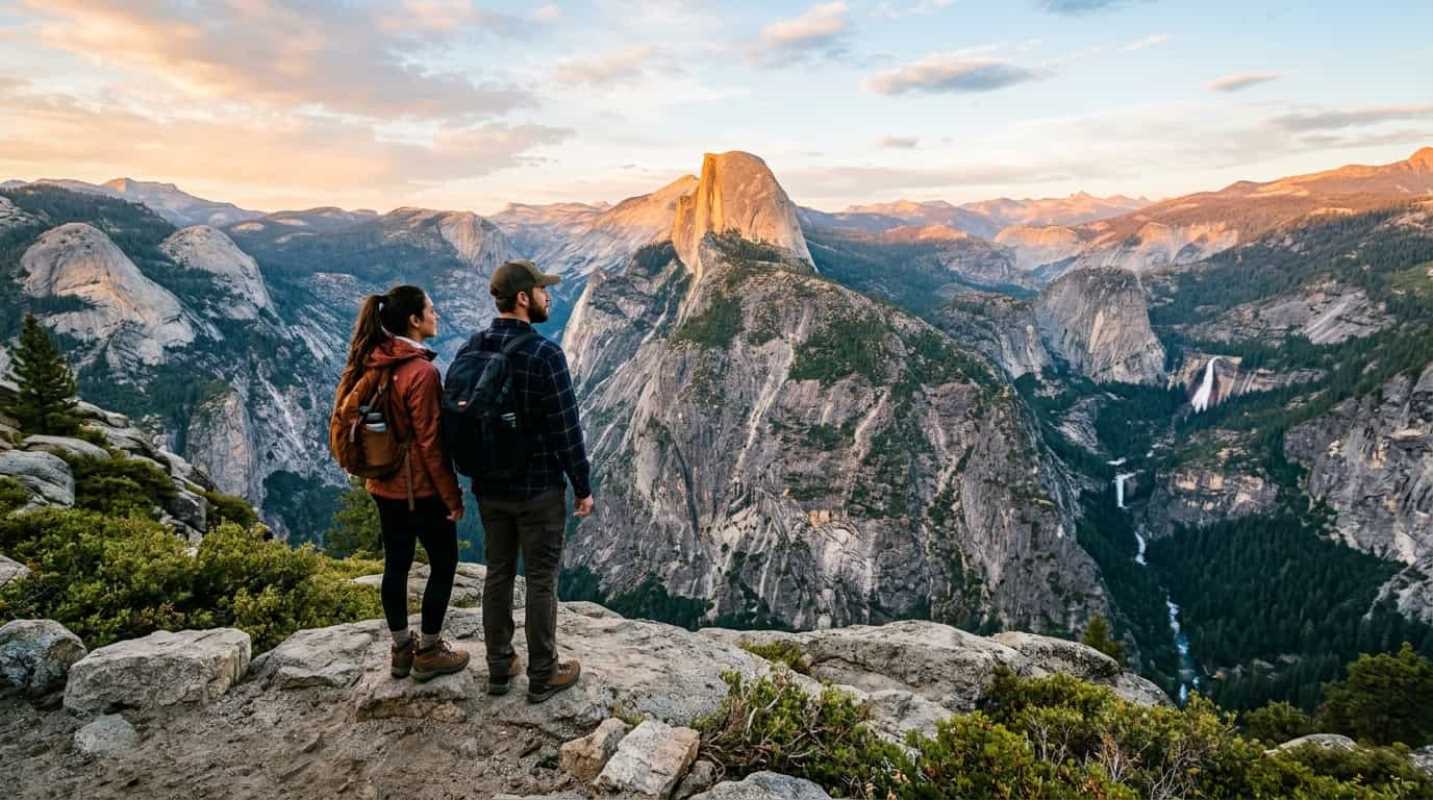
Then there is Yosemite. This park is the birthplace of the modern conservation movement. When you stand in Yosemite Valley and look up, the sheer size of the granite cliffs will take your breath away.
El Capitan and Half Dome dominate the skyline, rising thousands of feet straight up into the clouds. You can hike the Mist Trail to feel the spray of roaring waterfalls on your face. It feels like stepping into a giant, living painting.
Surviving the Crowds
Because these parks are so famous, everyone wants to visit them. But here is some big news for your travel planning. Yosemite recently dropped its timed-entry vehicle reservation system, shifting toward real-time traffic management instead.
Although this makes spontaneous trips easier, it means the valley gets packed fast.¹ To avoid spending your vacation stuck in bumper-to-bumper traffic, you need to arrive before 8:00 AM. Better yet, leave your car outside the park and take the public YARTS bus directly into the valley.
Desert Wonders of Zion and the Grand Canyon
There is a completely different kind of magic in the American Southwest. Here, water and wind have carved the earth into mind-bending shapes over millions of years.
The Grand Canyon
Nothing prepares you for the first time you look over the rim of the Grand Canyon. It is so massive that your brain has trouble processing the depth. But do not just stand at the crowded scenic overlooks.
To really experience it, you have to hike down into it. Even walking just a mile down the Bright Angel Trail gives you a completely different perspective on the towering rock walls. Just remember that going down is the easy part. Climbing back up in the desert heat is a serious workout.
Zion National Park
A few hours north, Zion National Park offers a vertical wonderland of pink, cream, and red sandstone cliffs. Zion is home to some of the most famous, adrenaline-pumping hikes on the planet.
If you have a permit and do not mind heights, you can tackle Angels Landing, which is a narrow trail with 1,000-foot drop-offs on both sides. If you prefer water to heights, you can wade through the Narrows, a hike where the Virgin River is your trail between towering canyon walls.
Desert Safety Tips
The desert is beautiful, but it can be brutal if you are unprepared.
• Hydration: Drink water constantly, even if you do not feel thirsty. The dry air sucks moisture right out of you.
• Timing: Do your heavy hiking in the early morning. Avoid the midday sun when temperatures peak.
• Navigation: Zion is closed to private cars for most of the year. You must use the free park shuttle to get around.
Coastal and Forest Escapes in Acadia and Olympic
Maybe you prefer the sound of crashing waves and damp, mossy forests over dry desert heat. If so, the northern coasts are calling your name. These parks offer a much slower, cooler pace.
Acadia National Park
Over on the rugged coast of Maine, Acadia National Park protects the rocky collision of the forest and the Atlantic Ocean. It was the first national park created east of the Mississippi River.
One of the most popular things to do here is drive or hike up Cadillac Mountain to catch the sunrise. For a few months of the year, this is the very first place in the United States to see the sun. You can also rent a bicycle and explore 45 miles of historic, car-free Carriage Roads that wind through the quiet woods.
Olympic National Park
On the opposite side of the country, Washington's Olympic National Park is like three parks in one. You can explore wild, driftwood-strewn Pacific beaches, climb glacier-capped mountains, and walk through the Hoh Rain Forest, which is one of the quietest places in North America.
It is a temperate rainforest covered in hanging moss and massive ferns. The diversity of this place is incredible. You can be standing in a misty forest in the morning and walking along a foggy, rugged beach by afternoon.
Planning Your Adventure to Make the Most of Your Trip
Visiting a national park today is a bit different from what it was a decade ago. With 323 million visits recorded across the park system recently, planning ahead is no longer optional.²
So what does this actually mean for your trip? First, you need to know about staffing. Due to budget challenges, the park service has lost about 25% of its permanent staff.³
This means you will find fewer rangers, shorter visitor center hours, and longer lines at the gates. You have to be more self-reliant than ever before.
Your Next Great Journey Begins Now
You do not have to plan a massive, multi-week road trip to start exploring. Just pick one park that is closest to you and go.
If you are planning your bucket-list tour, here are some curated recommendations to make your journey smoother.
• Use the Sunrise Approach: Arrive at park gates before the sun comes up. You will beat the crowds, secure a parking spot, and see the best wildlife.
• Download the NPS App: Cell service is non-existent in most parks. Download the official app and save your park for offline use before you leave home.
• Learn the One-Mile Rule: More than 85% of visitors never walk more than a mile from their cars. If you hike just two miles down a trail, you will leave almost everyone behind.
• Respect the Wildlife: Keep your distance. Stay at least 100 yards away from bears and wolves, and 25 yards from bison or elk.
There is something deeply grounding about spending a day surrounded by trees that have lived for centuries or staring at rock layers that took millions of years to form. It puts our daily worries into perspective.
These parks are our shared heritage. They are wild spaces that belong to every single one of us. By visiting them responsibly, leaving no trace, and supporting conservation efforts, we make sure they stay wild for the next generation. So pack your bags, lace up your boots, and get out there.
Sources:
1. NPS Visitor Use Statistics Dashboard
https://www.nps.gov/subjects/socialscience/visitor-use-statistics-dashboard.htm
2. National Park Service 2025 Visitation Statistics
https://www.nps.gov/orgs/1207/03-13-26-2025-visitation-statsitics.htm
3. Forbes - National Park System Visitor Trends
https://www.forbes.com/sites/emesemaczko/2026/03/13/over-88-million-visitors-abandoned-the-us-national-park-system-in-2025/