Remember those viral videos of people packed like sardines on the Amalfi Coast? Or the horror stories of tourists melting in triple-digit heat in Rome? Let's be honest. Summer in Europe has lost quite a bit of its magic.
Between crushing crowds, sky-high prices, and intense summer heatwaves, the traditional June to August holiday window is looking less appealing by the day. More travelers are realizing that the best way to experience Europe is to go when everyone else is heading home.¹
So what does this shift actually mean? It means September is the new July.
According to the European Travel Commission, September has officially become a major alternative to summer.² Although July and August still pull in about 25% of travelers each, September is hot on their heels with 22% of travelers preferring it.²
People are catching on fast. Bookings for September and October recently jumped by 20%, while May and June saw a 13% increase.³ Airlines are even seeing passenger numbers in October and November grow faster than in the peak summer months.² The best part? Airfares to Europe drop by an average of 33% in autumn compared to summer peaks.
Mastering the Shoulder Season and When to Book
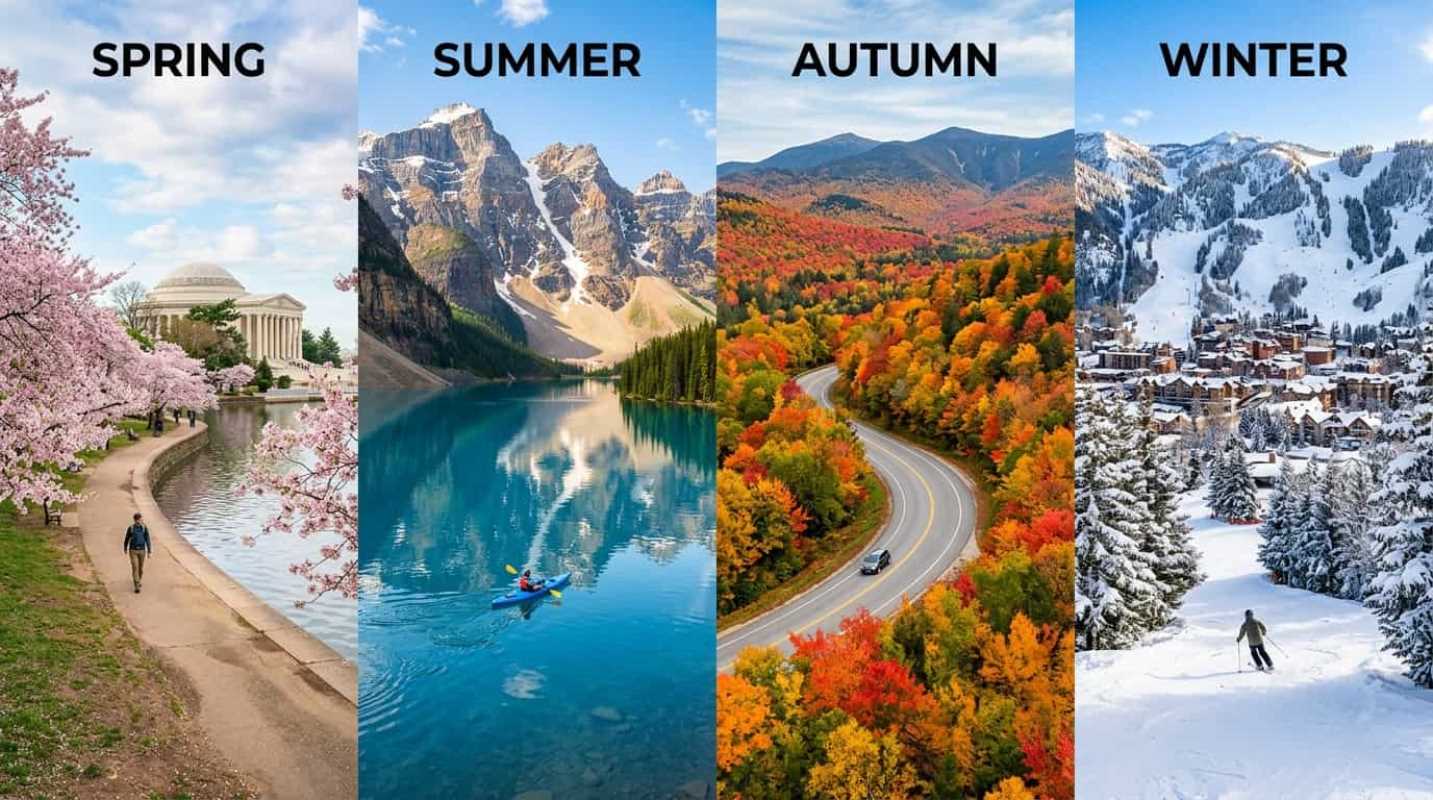
If you want the perfect mix of great weather and lower prices, you want the shoulder season. This sweet spot generally runs from April to May in the spring, and September to October in the autumn.
During these months, you get mild weather and fully open attractions, but you pay 20% to 40% less than you would in July. It's the ideal time for long walking tours, sitting at outdoor cafes, and exploring coastal regions without the gridlock. Think of it like buying a VIP pass to the continent, but at a clearance-rack price.
How do you get the absolute best deals? You've got to outsmart the school calendars.
• Avoid School Holidays: Look up the holiday schedules for major European countries like the UK, Germany, and France. Traveling when kids are in school instantly drops flight and hotel prices.
• Target the Late Spring Window: Late May is fantastic, but if you can push your trip to early June right before schools let out, you'll strike gold.
• Embrace the Autumn Slide: September is beautiful, but late October offers even deeper discounts and gorgeous fall foliage.
Deep Winter is the Ultimate Budget Hack
Are you willing to trade a t-shirt for a warm coat to save serious cash? If so, deep winter is your ultimate travel hack. We're talking about November, January, and February.
This is the true off-peak low season. Yes, the days are shorter and the weather is colder, but the trade-offs are incredible. You get rock-bottom prices on flights and accommodation, and you'll have famous museums almost entirely to yourself.
Imagine walking straight into the Louvre in Paris or the Vatican Museums in Rome without waiting in a three-hour line. Picture Prague or Vienna covered in a light dusting of snow, with the smell of roasted chestnuts in the air. It's incredibly cozy, peaceful, and cheap.
You just need to pack smart to enjoy it.
• Layer Up: Pack high-quality thermal base layers, a windproof and waterproof outer coat, and comfortable walking boots.
• Protect Your Feet: Cold feet will ruin your day faster than a rainy afternoon, so invest in wool socks.
• Plan Around Daylight: The sun sets early in European winters, often by 4:30 PM, so start your days early to get the most from daylight sightseeing.
Top Cities That Shine Without the Summer Swarm
Some cities are simply better when the crowds thin out. Here is where you should head when the summer rush ends.
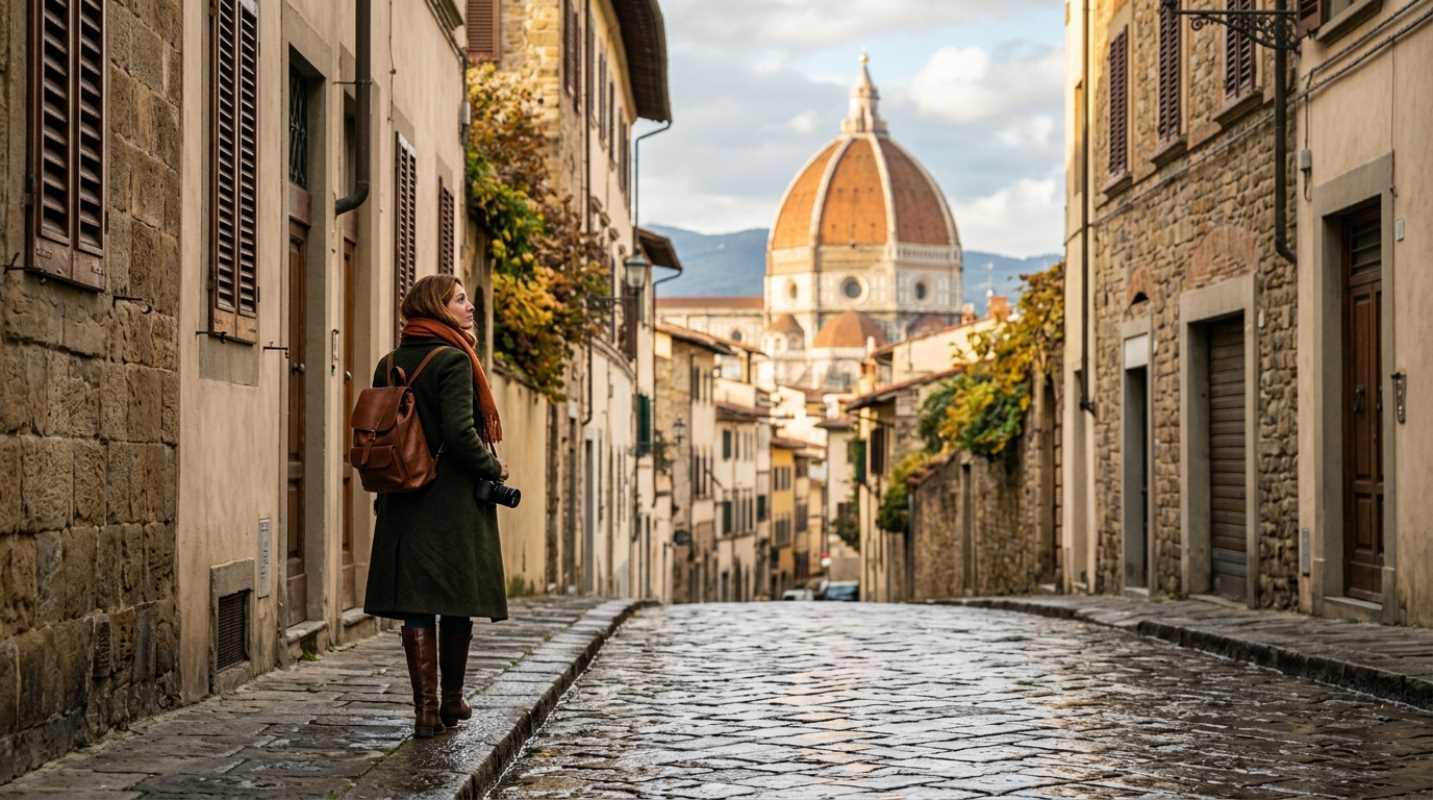
Rome and Florence are legendary for their history, but trying to appreciate the Colosseum in 100-degree heat is exhausting. In mid-to-late October, Rome cools down to a comfortable 72 degrees. If you visit in November, hotel rates in the historic center drop by up to 40% compared to June.
Barcelona and Lisbon offer incredibly mild coastal weather well into autumn. In places like Porto, hotel rates drop by 35% to 50% below August peaks once September arrives. You can still enjoy the beaches in the Algarve during October, but you'll actually find a spot to lay your towel.
Prague and Vienna have a distinct, moody aesthetic that suits the cooler months perfectly. Rick Steves always says that timing is everything, noting that visiting a city like Salzburg in early June is a completely different, much calmer experience than visiting in July.⁴
Expert Tips for a Seamless Off-Season Trip
Before you book your ticket, you need a solid game plan. Off-season travel is highly rewarding, but it does require a bit of extra approach.
First, watch out for what travel planners call shoulder season in disguise.⁵ The calendar is not fixed. Like, September in Italy is no longer a true quiet shoulder season, it is often just as busy and hot as August. For a true, high-reward window in Central Europe, aim for late October to early November.⁵
Second, always check local event calendars. You might think you are booking a quiet November weekend in Munich or London, only to find out a massive international convention has doubled hotel prices.
Third, keep an eye on attraction hours. Many museums, castles, and historical sites shorten their hours during the winter, and some coastal restaurants close entirely from November to March.
Here are three quick booking rules to keep in your back pocket
• The Friday Rule: Booking your flights on a Friday can save you up to 8% on international airfare.
• Fly Midweek: Flying Monday through Wednesday is roughly 13% cheaper than weekend travel, saving you nearly $100 per ticket.
• Use Budget Buses: Although trains are great, high-speed rail can be expensive. Companies like FlixBus or RegioJet offer luxury bus travel through Central Europe for a fraction of the cost, complete with Wi-Fi and hot drinks.
As Julia Lo Bue-Said, CEO of Advantage Travel Partnership, points out, we are seeing significant growth in shoulder season bookings, driven by rising temperatures in traditionally popular summer hotspots.³ If you are ready to trade the sweaty crowds for a more authentic, affordable experience, Europe is waiting for you.
Sources:
1. Forbes: Travel Trends Report
https://www.forbes.com/sites/angelinavillaclarke/2024/12/22/travel-trends-report-2025-off-season-travel/
2. European Travel Commission: Europe's Travel Demand Remains Steady
https://etc-corporate.org/news/europes-travel-demand-remains-steady-as-spending-outpaces-arrivals/
3. Globetrender: Europeans Embrace Shoulder Season Travel
https://globetrender.com/2025/07/22/europeans-embrace-shoulder-season-travel/
4. Rick Steves: Timing Your Trip
https://www.ricksteves.com/travel-tips/trip-planning/timing-your-trip
5. Go Real Travel: Shoulder Season Travel in Europe
https://www.gorealtravel.com/blog/shoulder-season-travel-in-europe-the-sweet-spot-most-people-miss/