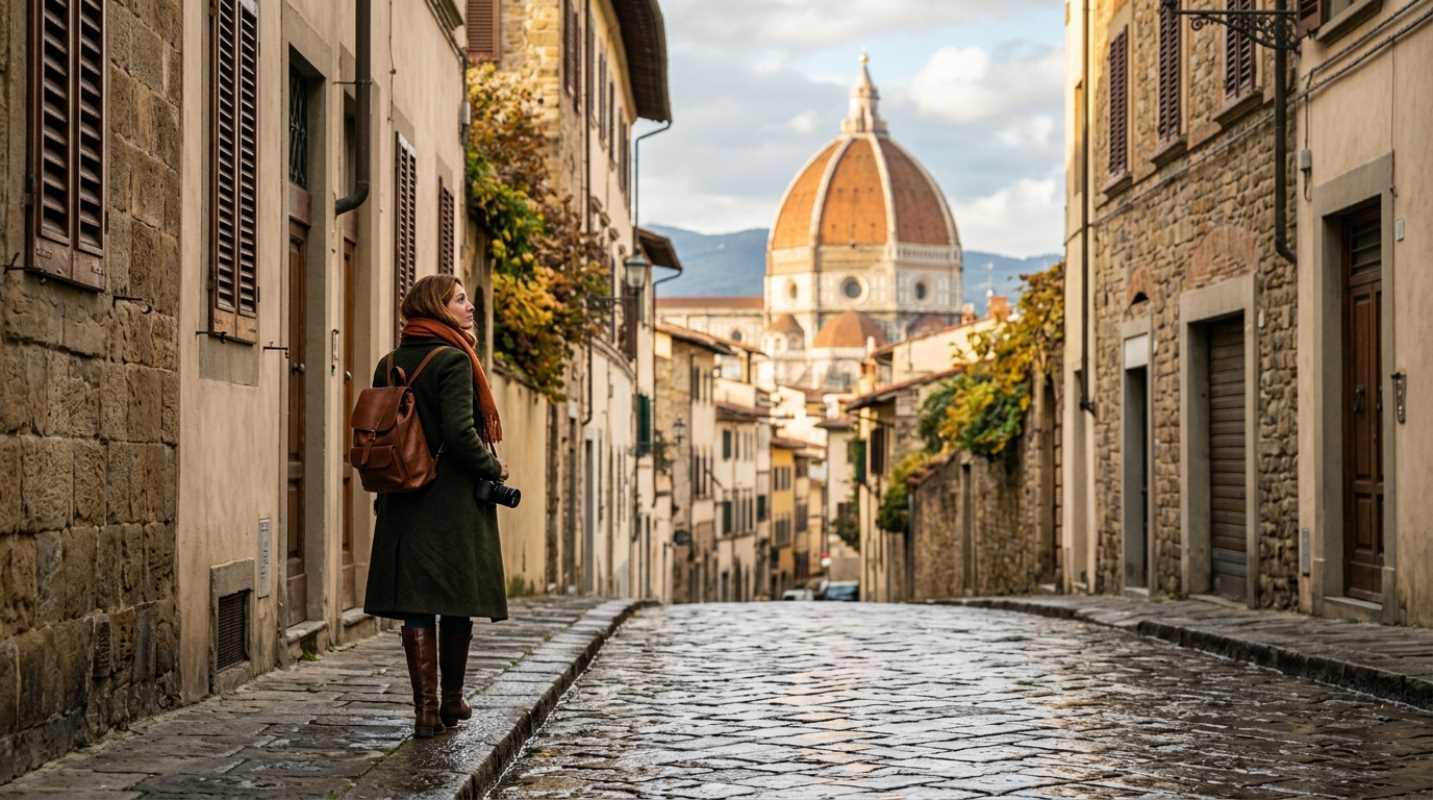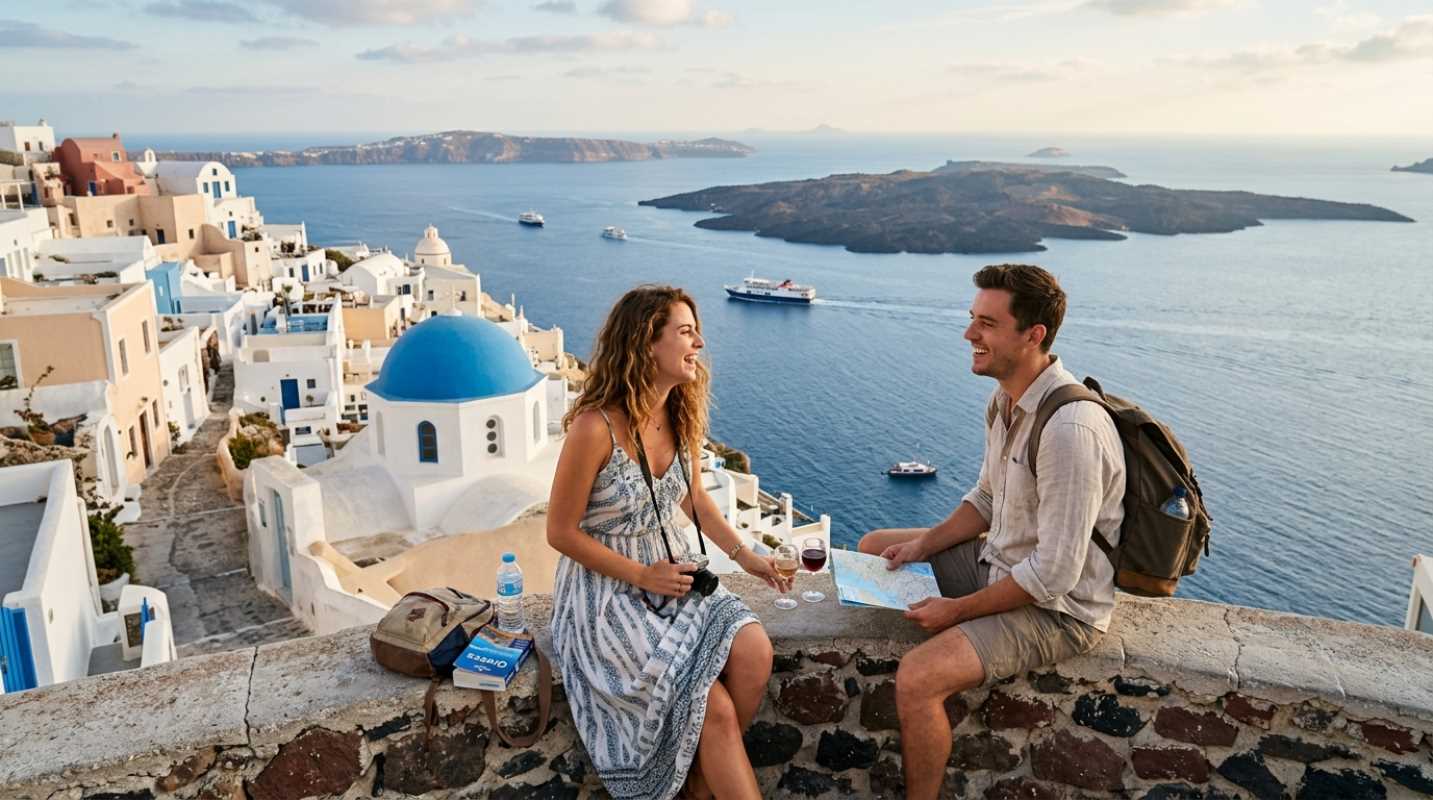
Have you ever returned home from a vacation needing another week off just to recover? It happens all the time when travelers try to rush through Southeastern Europe. They book a whirlwind seven-day trip, sprinting from Zagreb to Dubrovnik, crossing three different borders, and spending half their precious vacation sitting in customs lanes. That checklist approach misses what makes this region special.
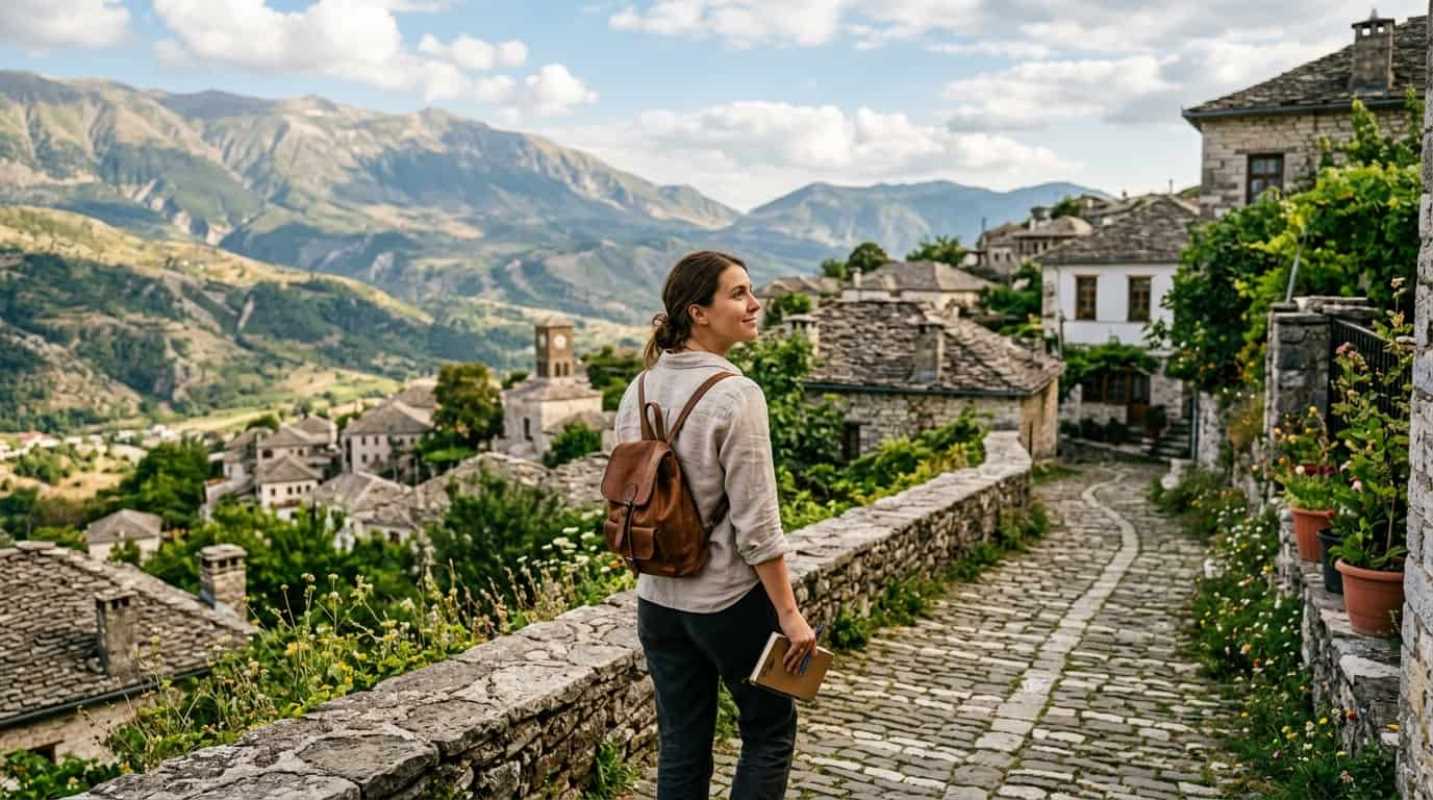
Slow travel is a shift in mindset. It means trading the urge to see every famous landmark for the chance to actually connect with a place. In the Balkans, where hospitality is legendary and daily life runs on an unhurried clock, moving slowly is easily the best way to travel.
When you stop rushing, you give yourself room to breathe. You avoid burnout and open the door to genuine interactions. Sitting in a shaded town square for three hours over a single cup of coffee isn't wasted time here. It's the point of the trip.
Understanding the Region with Multi-Country Rail Routes and Scenic Transit
Getting around the Balkans requires patience, but the journeys themselves are often the highlight of the trip. High-speed bullet trains don't dominate this area. Instead, you get classic, winding railways that cut straight through mountain ranges and deep river canyons.
Take the famous train ride from Belgrade, Serbia down to Bar, Montenegro. Built in the 1970s, this line cuts through the Dinaric Alps using 254 tunnels and 435 bridges.¹ It even crosses the Mala Rijeka Viaduct, one of the highest railway bridges in Europe.¹ The 12-hour journey costs less than $30, giving you world-class mountain views for a fraction of what you would pay for scenic rail tours elsewhere in Europe.
Another stunning route is the ŽFBH train ride from Sarajevo to Mostar in Bosnia and Herzegovina. For roughly $7 USD, you board a comfortable, modern train with panoramic windows that hug the emerald waters of the Neretva River Canyon.² It ranks as one of the most scenic train rides on the continent.
Trains won't take you everywhere, though. Regional rail networks operate independently, and cross-border international train connections can be limited.³ Although rail passes exist, buying individual point-to-point tickets is usually the most affordable path.³ Where the tracks end, local bus networks fill the gaps smoothly. Don't fight the transit pace. Treat transit days as relaxed sightseeing events, sit back with a book, and watch the countryside roll past.
Small-Town Immersion Beyond the Capital Cities
Although capital cities like Belgrade, Sarajevo, and Zagreb have plenty to offer, the real heart of the region lives in its smaller towns. Heading off into rural areas gives you a clear window into daily life while directing your money straight to local families.
Instead of booking large chain hotels, look for family-run guesthouses or traditional taverns known locally as konobas. In spots like Jajce in Bosnia and Herzegovina, famous for its massive waterfall right in the center of town, or Lin, a quiet fishing village on Lake Ohrid in Albania, life moves at a human pace.
Staying in one small town for four or five days changes how locals interact with you. By day two, the corner baker recognizes your order. By day three, the cafe owner asks where you're from and offers recommendations you won't find in any guidebook. Those small moments build rapport that you simply cannot get when moving to a new city every night.
Curating Off-Tourist-Trail Experiences
If you want to step off the crowded tourist track, look toward regional initiatives designed around low-impact exploration and local culture.
One exciting development is the Trans Dinarica Cycle Route. Spanning over 5,400 kilometers across eight Balkan nations, this trail deliberately bypasses heavily commercialized hubs. Instead, it guides cyclists and outdoor travelers through quiet mountain passes, national parks, and rural farming communities. You don't need to ride thousands of miles to enjoy it. Picking off short day sections near alpine towns like Žabljak in Montenegro or Kruševo in North Macedonia gives you access to amazing hiking and authentic mountain hospitality.
Food culture is another great entry point for slow travel. The regional Slow Food network highlights traditional crops and artisanal cooking. You can taste heritage items like smoked cheeses in Bosnia, home-grown tomatoes in regional village markets, or boutique wines in Serbian towns like Sremski Karlovci.
Practical Tips for the Aware Traveler
To make the most of your journey across the region, keep these practical tips in mind.
• Book local homestays: Seek out accommodations tagged as agritourism or ethno-villages (Etno-Sela). Booking directly with families makes sure your spending stays inside the immediate community.
• Ditch rigid schedules: Train delays happen, and bus schedules can change without much warning. Build buffer days into your itinerary so a late departure never ruins your day.
• Embrace regional coffee habits: Ordering coffee is a social ritual. Set aside an hour or two just to sit outside, sip slowly, and enjoy the atmosphere.
• Mind digital connectivity: Mountain valleys can have spotty mobile service. Download offline maps and carry local cash, as many small family establishments don't accept cards.
• Support local creators: Buy goods directly from makers, whether that's traditional coppersmiths in historic market alleys or olive oil producers on quiet islands.
Traveling through the Balkans slowly in 2026 isn't about saving money or dodging crowds. It's about letting the region surprise you. When you slow down, lower your expectations for transit speeds, and open yourself up to local conversations, you uncover a deeply rewarding way to travel.
Sources:
1. Seat61 - Belgrade to Bar Railway
https://www.seat61.com/belgrade-to-bar-railway.htm
2. BBQboy - Sarajevo to Mostar Train
https://bbqboy.net/taking-the-train-from-sarajevo-to-mostar-bosnia-and-herzegovina/
3. Eurail - Balkan Connections
https://community.eurail.com/routes-destinations-42/balkan-connections-2025-19183