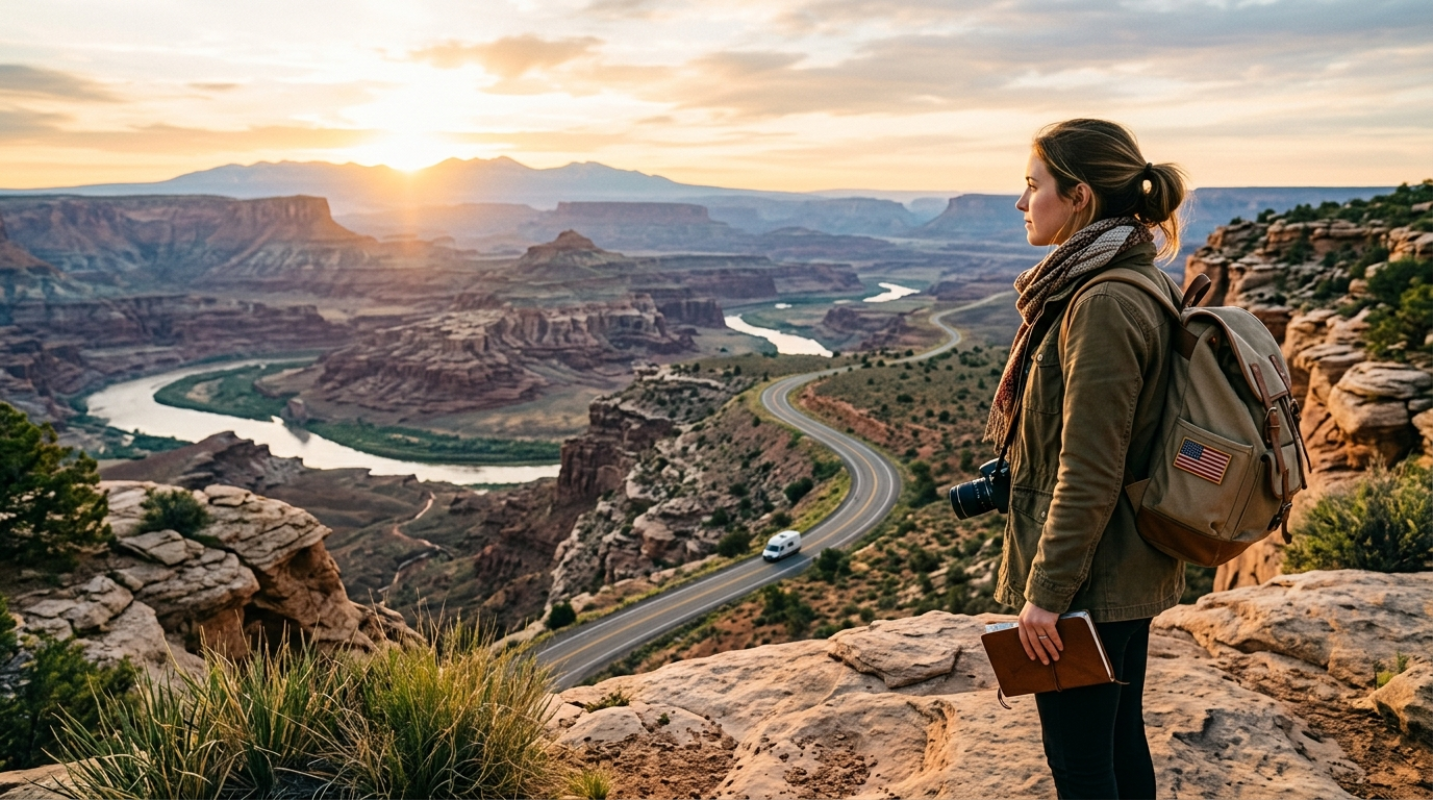
Have you ever stood in a place so quiet you could hear your own heartbeat? That kind of complete, ringing silence is hard to find in our modern, noisy world. Step into an open desert, though, and you'll feel it immediately. Many people think dry environments are just vast, boring expanses of empty sand. That is a total myth. Deserts cover roughly one-third of Earth's land surface, and they hold some of the most dramatic terrain you will ever see.¹ You get giant rust-red dunes, blinding white salt flats, and deep slot canyons carved by ancient wind and water.
Exploring these remote places takes solid planning and respect for the elements, but the reward is huge. If you're ready for a real adventure, these hyper-arid spaces are waiting.
Why Deserts Are the Ultimate Travel Frontier
There is a powerful draw to stepping onto ground that feels almost alien. When you look out over an endless horizon with no buildings or power lines in sight, your perspective changes fast. It forces you to slow down and pay attention to the natural world around you.
The geology in these regions tells stories millions of years in the making. What looks like an empty wasteland at first glance turns out to be a carefully balanced environment filled with specialized plants, animals, and geological rock art.
It isn't about surviving harsh conditions just to cross a finish line. It's about experiencing the raw beauty of spaces that remain largely untouched by human development.
Geological Wonders Around the Globe
The sheer diversity of desert geology is mind-blowing. On one side of the planet, you have shifting ocean waves of sand. On the other, there are hard-carved rock monoliths that look like they belong on Mars.
Here are some of the most visual, high-contrast environments you can explore across the world:
• Namib-Naukluft National Park (Namibia): Estimated to be over 55 million years old, this is the oldest desert on Earth. Dunes here rise over 1,066 feet into the sky. At Sossusvlei and Deadvlei, dark 900-year-old dead camel thorn trees stand on stark white clay pans framed by towering rust-orange dunes. Along the Skeleton Coast, roaring Atlantic Ocean swells smash directly into the sand.
• The Atacama Desert (Chile): As the driest non-polar region on the planet, parts of the Atacama get less than 0.6 inches of rain per year. Valle de la Luna features carved salt and clay structures that mimic lunar surfaces, alongside high-altitude geysers and massive salt pans.
• Salar de Uyuni (Bolivia): Spanning over 4,000 square miles at nearly 12,000 feet in altitude, this massive salt flat is a bright plain composed of hexagonal tiles. During the wet season, a thin layer of standing water turns the flat plain into the largest natural mirror on Earth.
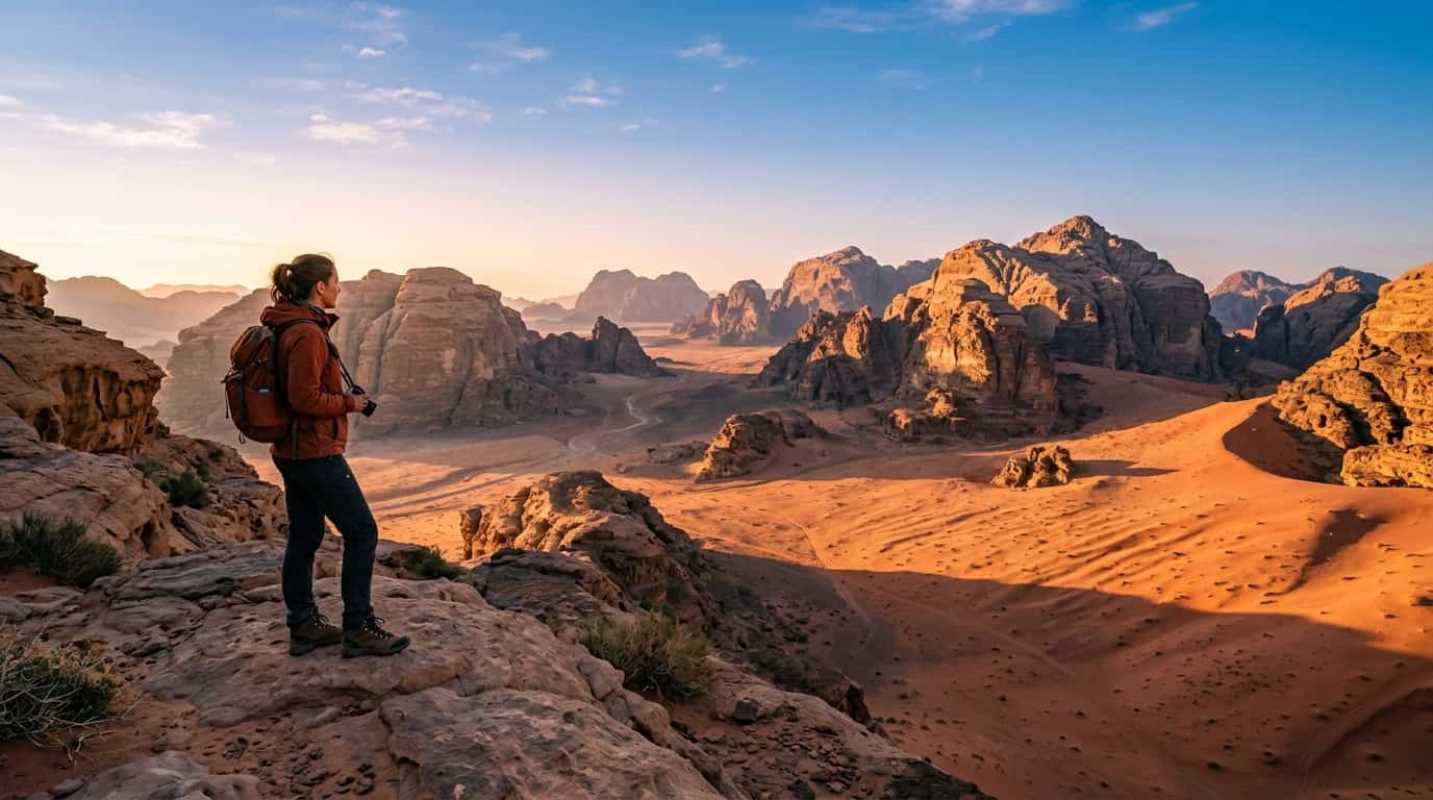
• Wadi Rum (Jordan): Also known as the Valley of the Moon, this region features massive red sandstone monoliths, natural stone arches, and narrow slot canyons holding ancient petroglyphs carved thousands of years ago.
• Lençóis Maranhenses (Brazil): Although it looks like a traditional dune field, this coastal spot receives nearly 47 inches of annual rain. Water traps above impermeable rock layers beneath the sand, creating thousands of crystal-clear turquoise lagoons sitting between snow-white sand dunes.
• Death Valley and White Sands (USA): Death Valley drops 282 feet below sea level at Badwater Basin, surrounded by pastel badlands and extreme salt crusts. Meanwhile, White Sands in New Mexico covers 275 square miles with cool gypsum sand that you can walk across barefoot even under a hot sun.
When to Go and How to Prepare
Timing is everything when you plan a trip into dry environments. Daytime temperatures jump rapidly during shoulder seasons. A hike in early May in places like Death Valley or the Sahara can feel far hotter than one in late April. Always check localized real-time weather forecasts before setting out.
Spring and autumn are generally the sweet spots for trekking. But if you visit high-altitude spaces like the Bolivian Altiplano or the Chilean Atacama, remember that thin air speeds up dehydration. Water loss through breathing and sweat increases up to twice as fast above 6,000 feet.
To stay safe out in the wilderness, keep these needed survival rules top of mind:
• Hydration and Electrolytes: Pack a minimum of one gallon of water per person per day for simple travel, and up to two gallons if you are active. Drink half a liter to a full liter every hour during strenuous hikes. Combine your water intake with salty snacks or electrolyte powders to prevent hyponatremia.
• The 50 Percent Rule: Turn around immediately once your water supply drops to half. Do not ration your remaining water if you get stranded, because dehydration degrades clear decision-making skills fast.
• Thermal Extremes: Air in dry regions holds little humidity, meaning heat escapes quickly after dark. A hot day at 100 degrees Fahrenheit can drop near freezing after sunset. Pack warm thermal layers even for summer trips.
• Flash Flood Safety: Dry ground cannot absorb sudden rain. Thunderstorms miles away can push walls of water down dry riverbeds within minutes. Never camp in dry washes, and climb to high ground immediately if you hear a deep rumble or see water changing color.
• Vehicle Preparation: Download offline maps before heading out because cell service is non-existent in remote canyons. If you get stuck in deep sand, drop your tire pressure to 15 or 20 PSI to gain traction. If your vehicle breaks down, stay with it. The car provides shade and is much easier for search crews to spot from the air.
Beyond the Heat
There is something special that happens when night falls in these remote spaces. The Atacama Desert is home to world-class astronomical observatories because high elevation, low humidity, and zero light pollution create incredibly clear night skies. Looking up at the Milky Way from a quiet dune is an experience you won't ever forget.²
Life in these places is also far more active than it looks on the surface. When rare spring rains hit the dry soil in Chile, millions of dormant seeds burst into life. This phenomenon, known as the Desierto Florido, covers the ground in pink and purple wildflowers for miles. Along the Namibian coast, ocean fog rolls miles inland, supplying key moisture to beetles and specialized plants.
There is also a strong mental reset that comes with extended solitude.³ Removing yourself from screens, phone calls, and city noise gives your mind room to unclutter and regain clarity.
Embracing the Call of the Wild
Traveling into the world's most striking dry wildernesses is a transformative experience. You walk away with a deeper appreciation for nature, fresh water, and simple quiet.
Because these environments are delicate, practicing leave-no-trace travel matters. Cryptobiotic soil crusts and rare plant life take decades to recover if trampled by foot or crushed by off-road vehicles. Stick to established trails and pack out every piece of trash you bring in.
If you're tired of standard vacation spots, step out of your comfort zone and head into the dunes. Pack your water, double-check your gear, and let the wilderness show you what real quiet feels like.
Sources:
1. The 10 Most Striking Desert Destinations Across The World
https://freeyork.org/travel/the-10-most-striking-desert-destinations-across-the-world/
2. Luxury Desert Adventure Vacations
https://www.jacadatravel.com/all/travel-guides/luxury-desert-adventure-vacations/
3. Desert Lists
https://desertsoftheworld.com/desert/desert-lists/