If you ask a typical wine lover about South American bottles, you'll probably hear two names: Mendoza and Maipo Valley. For years, full-bodied Malbecs and heavily oaked Cabernet Sauvignons dominated global wine lists. They put the continent on the map, but they only tell a fraction of the story. The South American wine scene looks completely different today. Modern drinkers want lower alcohol, higher natural acidity, and bottles that reflect a specific piece of land. Have you ever wondered what lies beyond those well-known valley floors?
The secret sits in breezy Atlantic vineyards, ancient rain-fed bush vines, and mountain plots planted high up in the clouds. These underrated regions bring true authenticity back to your glass. They trade massive factory production for deep heritage, raw character, and distinct regional styles.
Beyond Malbec in South American Viticulture
Moving past the famous Mendoza valley floor reveals a massive shift in how wine gets made across the continent. Younger winemakers are abandoning heavy oak barrels and artificial irrigation. Instead, they want you to taste the soil, the sea air, and the true fruit character of forgotten grape varieties.
Consumer curiosity is driving this push into experimental territory. Wine buyers no longer want the same uniform, full-bodied red in every bottle. You're far more likely to see sommeliers pouring pale, chilled reds or high-acid coastal whites made in small batches.
The appeal of these hidden regions comes down to real history and unique flavor profiles. Many of these vineyards rely on centuries-old farming methods that never changed. When you sip a wine from these fringe regions, you taste living agricultural history.
Uruguay Atlantic Influence Beyond Tannat
Uruguay sits right on the Atlantic coast between Argentina and Brazil. Unlike its inland neighbors, coastal Uruguay enjoys a breezy maritime climate reminiscent of Bordeaux or Galicia.
Ocean winds blow constantly across coastal spots like Maldonado and Garzón. These persistent breezes keep fungal diseases away while cooling down the vines during hot summer afternoons. That constant cooling effect allows grapes to ripen slowly while preserving bright, mouthwatering acidity.
• Coastal Albariño: This grape is Uruguay's standout white wine. It bursts with citrus zest, white peach, and a salty mineral finish that feels like an ocean breeze in a glass.
• Refined Tannat: Historically known for aggressive, mouth-drying tannins, coastal Tannat is undergoing a total makeover. Ocean influences create juicy, balanced reds with supple tannins, dark berry fruit, and plenty of lift.
• Ancient Granite Soil: The local soil, known locally as the Crystalline Basement, features weathered granite formed over two billion years ago. It provides excellent drainage and imparts a distinct mineral core to the wine.
Tasting rooms in Uruguay feel delightfully personal. You won't run into giant tour buses or scripted presentations here. Instead, you'll likely sit down with the owner or head winemaker to sip wine and share a slow lunch over charcoal-grilled meats.
High-Altitude Secrets of Northern Argentina
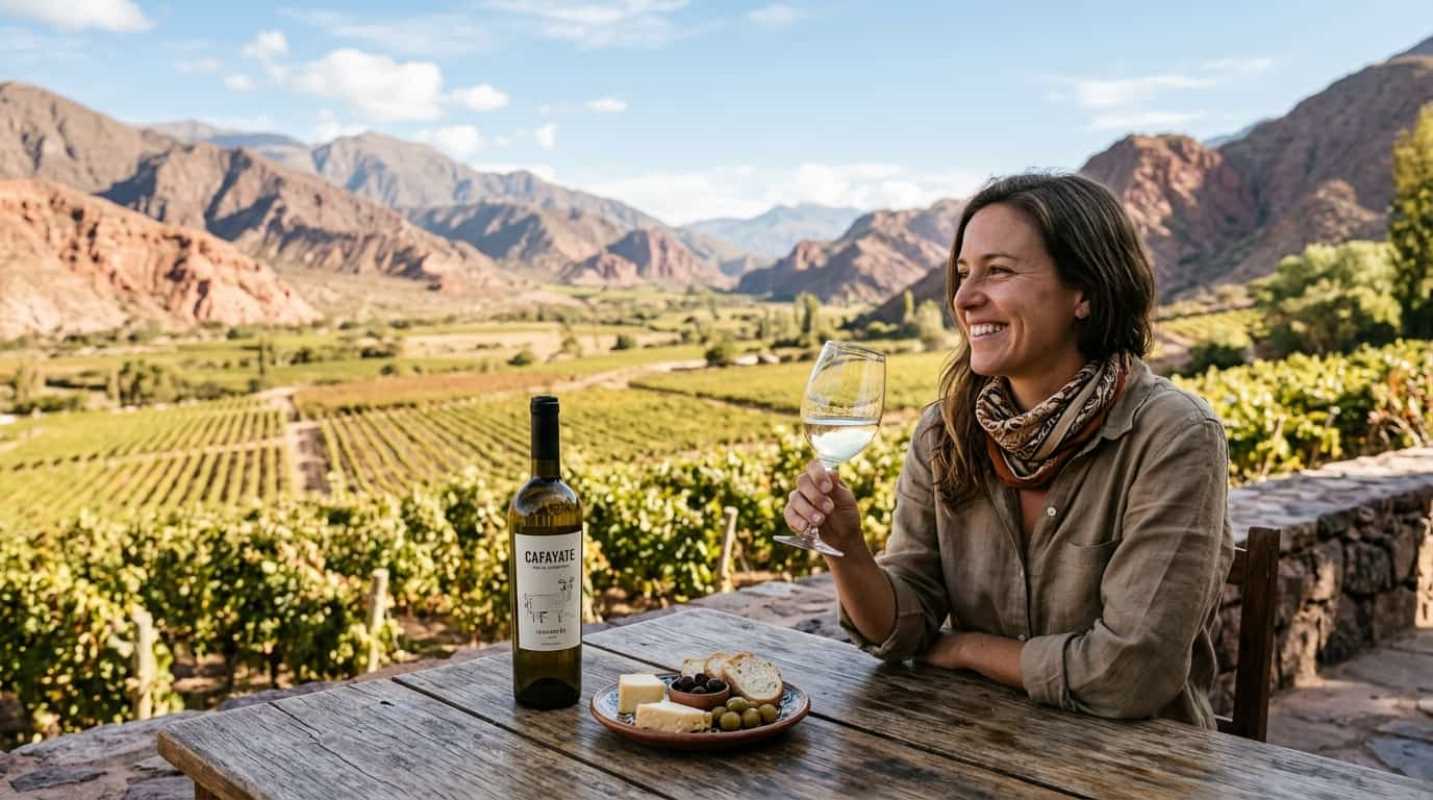
Head north from Mendoza into Salta's Calchaquí Valleys, and you'll enter an extreme mountain environment. Vineyards in the Cafayate region start at 1,700 meters above sea level and climb past 3,000 meters into the Andean sky.
How does extreme elevation change what ends up in your glass? High up in the mountains, thinner air allows intense solar radiation to hit the vine canopy. Grapes react to intense sunlight by growing thicker skins, which generate deep color and high antioxidant levels.
At night, temperatures drop dramatically, sometimes by more than 20 degrees Celsius. That sudden freeze halts fruit ripening and freezes high natural acidity in place. So what does this actually mean for flavor?
• Torrontés: Cafayate produces the world's finest Torrontés. It greets your nose with explosive aromas of jasmine, orange blossom, and peach, yet finishes crisp, dry, and clean on your tongue.
• High-Altitude Malbec: These mountain reds show remarkable balance. They deliver dark fruit alongside wild mountain herbs like thyme, backed by firm structure and mouth-refreshing acidity.¹
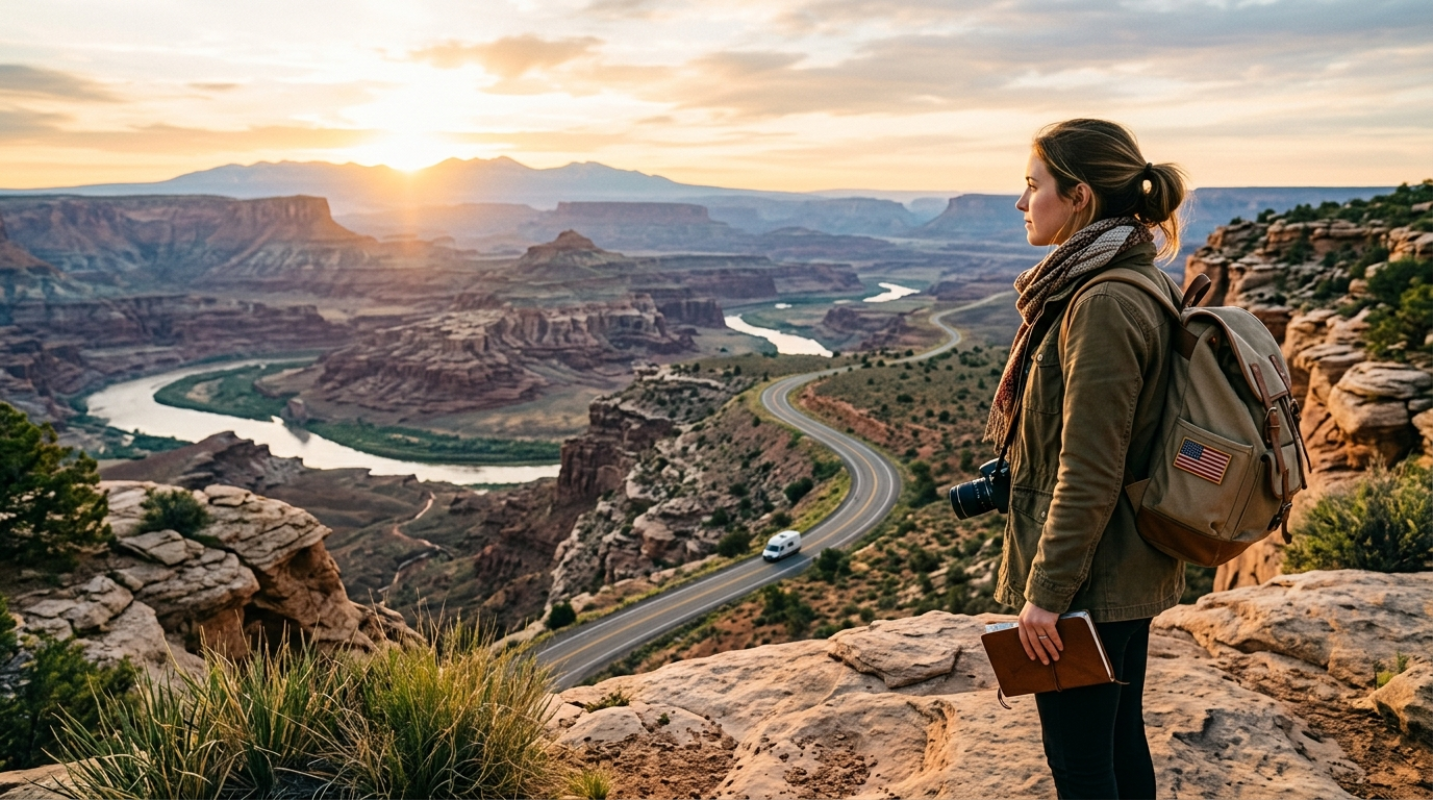
The visual contrast of this region is stunning. You look out at rugged desert canyons and jagged red rocks, yet you sit inside sophisticated tasting rooms sampling pristine, highly focused wines.
Chile Southern and Coastal Renaissance
For decades, Chilean wine meant reliable, inexpensive reds from the flat Central Valley. Today, small-scale producers are heading south to historic regions like the Itata Valley to spark a quality movement.
Itata is one of the oldest wine-growing regions in the Americas, with initial vines planted around 1547.² For centuries, big companies used Itata's grapes for cheap bulk wine blends. Now, ambitious winemakers are turning back the clock to rescue these ancient vineyards.
• País: Long dismissed as a common grape, old-vine País produces light, pale reds full of red berry fruit, floral scents, and bright acidity. It tastes amazing served slightly chilled.
• Cinsault: Grown on ancient, ungrafted bush vines, Cinsault delivers aromatic, juicy red fruit balanced by subtle herbal notes and zero heavy oak.
• Dry-Farmed Old Vines: Farmers here do not use artificial irrigation. Instead, deep roots push through millions of years of weathered granite to find underground water, creating wines with distinct character.
Winemakers rely on low-intervention tools like concrete vats, ancient clay amphorae, and traditional foot-treading. Top wine critics now celebrate these granitic coastal sites for producing some of Chile's most exciting bottles.³
Practical Tips for the Adventurous Oenophile
Planning a trip to these lesser-known regions requires a slightly different mindset than visiting Napa or Bordeaux. Commercial infrastructure is minimal, which is precisely why you should go.
• Book Direct: Reach out to boutique estates via email or WhatsApp weeks in advance. Many top small producers do not keep set public hours or run standard walk-in tasting rooms.
• Rent a Car: Public transit rarely reaches remote spots in Itata or northern Salta. Renting a sturdy vehicle gives you the freedom to explore dirt roads and scenic mountain passes at your own pace.
• Embrace Local Pace: Expect casual, unrushed tastings. You might spend two hours chatting with a family about soil profiles over homemade bread and local cheeses.
• Look for Old Vines on Labels: When shopping at home, look for terms like Parral or Viñas Viejas on South American bottles to find traditional dry-farmed expressions.
Finding these underrated spots gives you early access to the most dynamic bottle trends in the world. They offer deep heritage, lower environmental footprints, and unique flavors that tell the honest story of their soils. Next time you open a bottle from South America, step outside your comfort zone and try something from these extraordinary fringes.
Sources:
1. Tim Atkin Argentine Wine Report
https://blog.winesofargentina.com/destacadas/tim-atkin-argentine-wines-are-becoming-finer-lighter-and-more-elegant/
2. Discovering Chile's Itata Wine Awakening
https://thelaurelmagazine.com/dining-in-highlands-nc-and-cashiers-nc/discovering-chiles-itata-wine-awakening
3. James Suckling Top Wines of Chile
https://www.jamessuckling.com/wine-tasting-reports/top-100-wines-of-chile-2025-the-rise-of-world-class-whites