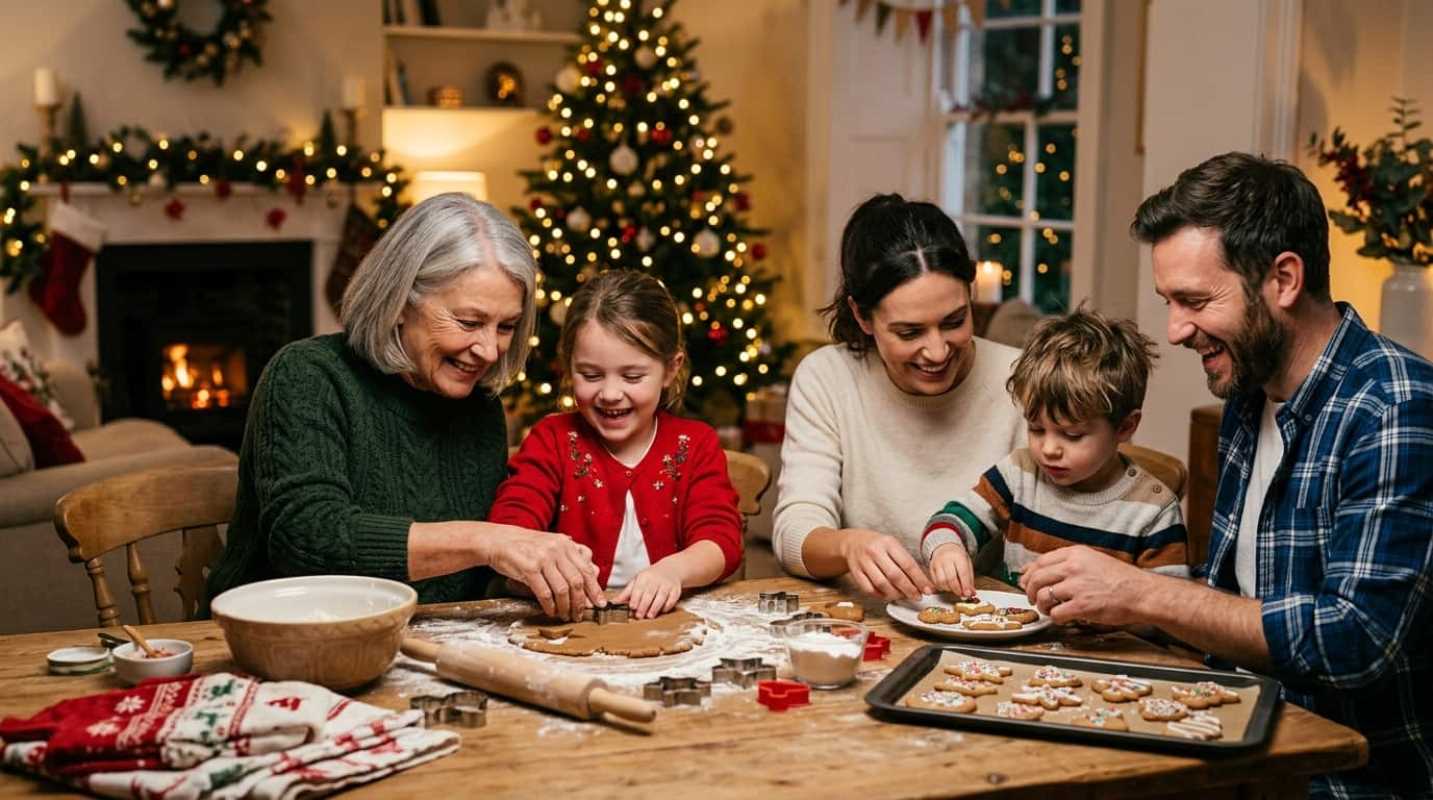
Have you ever noticed how a simple holiday smell or song can pull you straight back to your childhood living room? That is not just nostalgia doing its trick. It is a real biological response. Engaging in familiar holiday rituals releases dopamine in your brain, giving you an immediate boost in energy and warmth. Yet, for many of us, the modern holiday season feels like a frantic sprint through gift lists, crowded stores, and stretched budgets. A poll by the American Psychological Association found that 89% of U.S. adults experience stress during the holidays.¹
Financial worries and shopping pressure top the list of triggers. With anxiety levels on the rise, piling on more commercial expectations rarely makes anyone happier. So what does this actually mean for your family right now?
It means today is the ideal time to rethink your approach. Family routines function as psychological anchors when the outside world feels chaotic. Research shows that repeating simple holiday rituals builds a deep sense of emotional safety and stability for kids, while giving adults a much-needed break from daily pressure.² Moving away from heavy spending toward shared experiences does not mean missing out. It protects your mental health and creates memories that last long after the wrapping paper ends up in the trash.
Brainstorming Tradition-Building Ideas That Stick
When you decide to start new rituals, the biggest mistake is trying to do too much at once. You do not need a packed calendar filled with complex events every single day of December. That path leads straight to holiday burnout.
Instead, focus on picking one anchor activity. Think of this as the main event of your family's season. It could be a regular hot cocoa night, a specific baking morning, or an annual walk to check out neighborhood lights. Choosing one anchor keeps expectations realistic and low-stress.
How do you choose an activity that will actually stick over the years? Get everyone involved in the planning process.
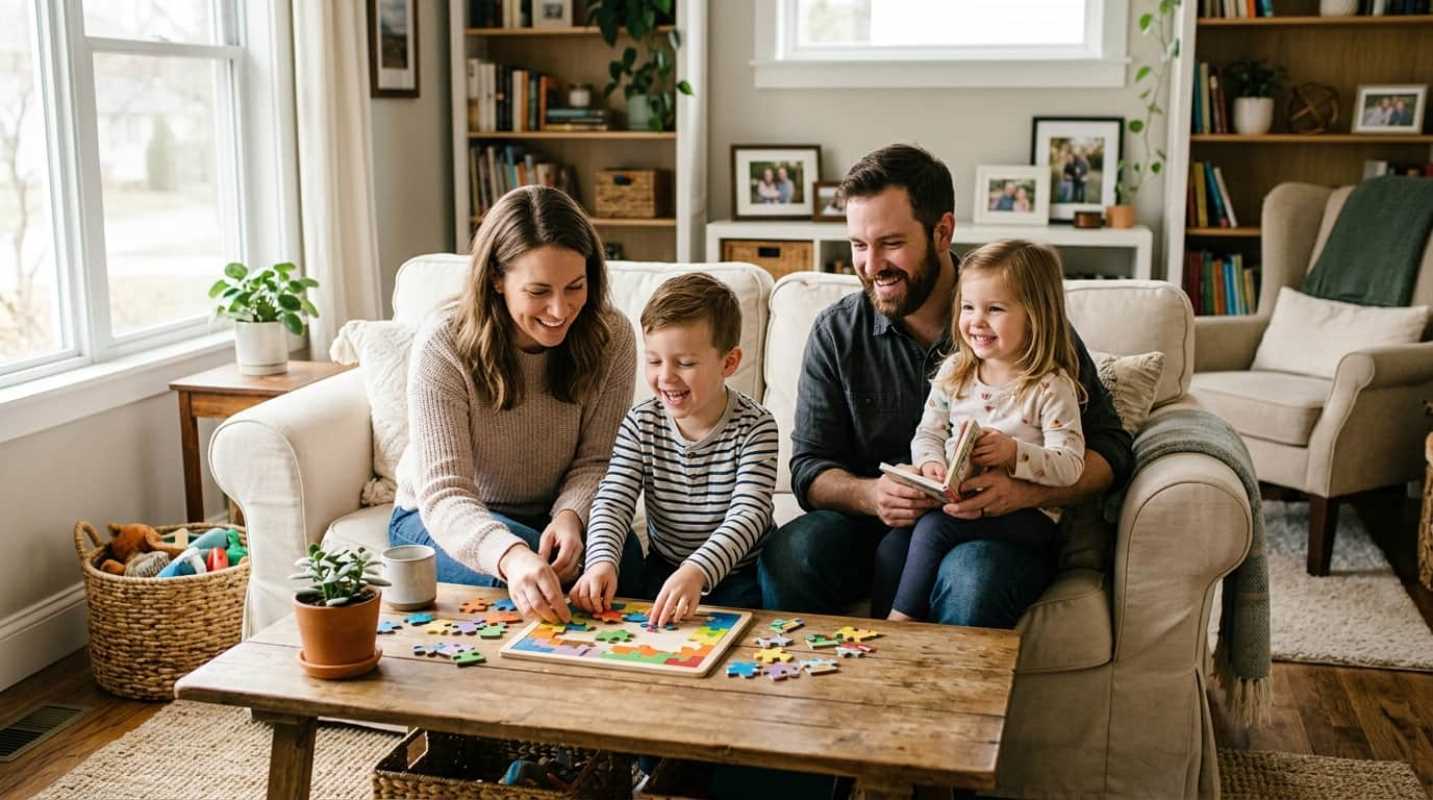
• Gather input early: Sit down with a hot drink and ask each family member to share their absolute favorite holiday memory. You might be surprised to learn that your kids care far more about watching movies in their pajamas than attending fancy public events.
• Keep the effort low: If a tradition requires three hours of setup, six trips to create stores, and a spotless house, drop it. Simple habits survive over time. Complicated ones quickly feel like chores.
• Focus on sensory cues: The traditions that linger longest in our minds are linked to specific sounds, smells, or tastes. Playing the same album while decorating or simmering cinnamon sticks on the stove creates an instant mental trigger for connection.
Remember that your traditions should fit the actual life you live today, not an impossible standard on social media.
Building Multi-Generational Participation
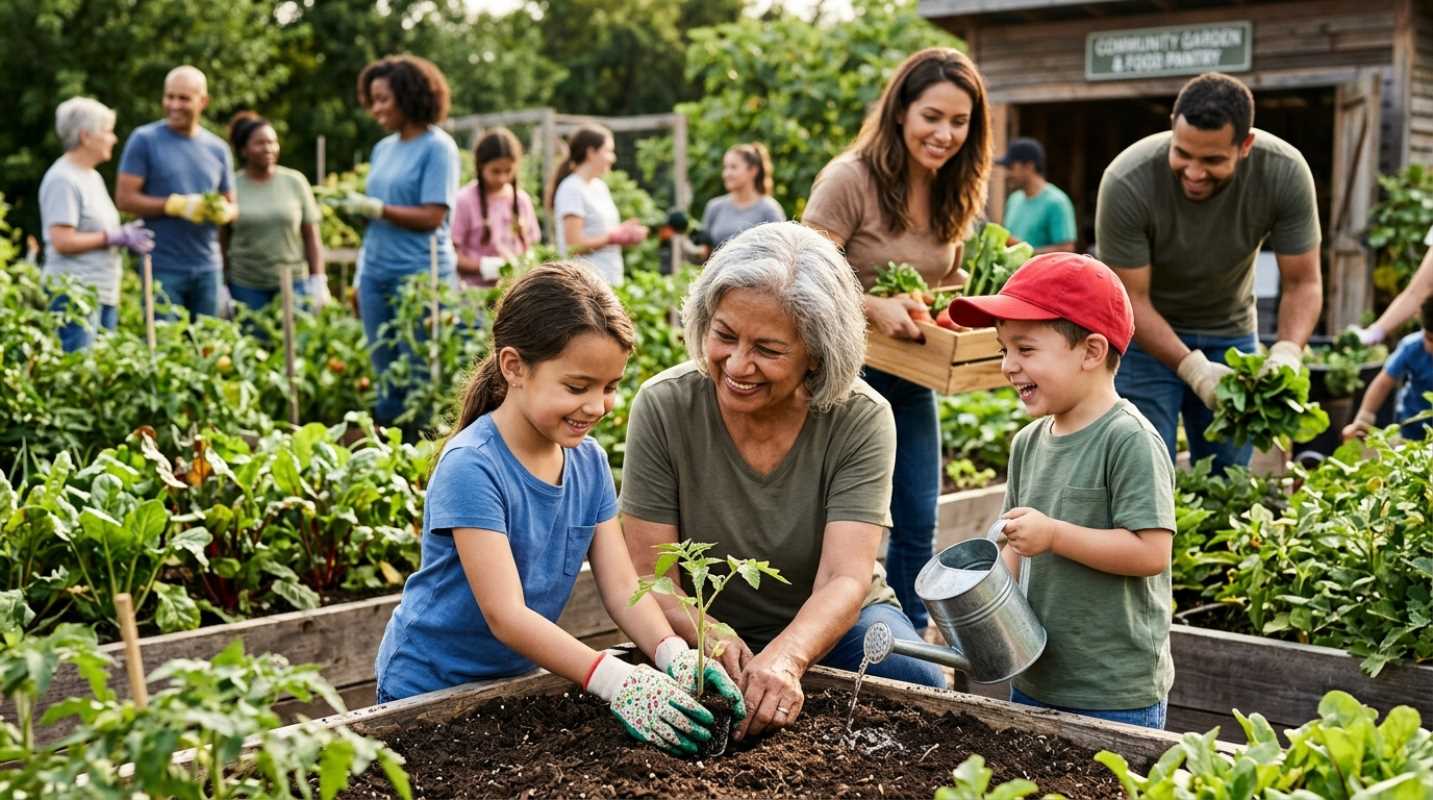
Holiday gatherings often bring together people across several generations. That is a wonderful part of the season, but it can present real logistical challenges. Toddlers have short attention spans, teenagers want to hang out on their phones, and grandparents might struggle with low energy or physical limitations.
The key to multi-generational harmony is choosing activities that encourage casual conversation without demanding high physical output.
Storytelling is one of the easiest ways to bridge generational divides. Older relatives carry decades of family history that younger family members have never heard. Setting aside time for a simple memory session lets children ask questions and record short audio clips of their grandparents talking about childhood holidays. These interactions give kids a sense of heritage and give older relatives a meaningful role in the festivities.³
What if your family lives hundreds of miles apart? Physical distance does not have to break your rhythm. Set up a virtual cooking call where everyone bakes the same recipe in their own kitchens, or create a shared online album where family members upload one daily photo throughout the month.
Low-Cost Holiday Rituals That Feel Luxurious
Creating a special holiday feel has very little to do with high spending. You can build a wonderful atmosphere right at home while staying well within your budget.
Here are several low-cost rituals that feel special across all age groups:
• Neighborhood light scavenger hunt: Print a simple checklist of holiday items, such as glowing reindeer, blue lights, or window wreaths. Fill thermos mugs with hot chocolate, pile into the car, and go on an evening drive together.
• Living room blanket fort movie night: Pull out sleeping bags, pillows, and extra blankets onto the living room floor under the Christmas tree lights. Pop a big bowl of popcorn, put on a classic film, and skip the formal dinner table entirely.
• Graham cracker gingerbread building: Skip fragile pre-made gingerbread house kits. Use affordable graham crackers, canned frosting, and bulk candy to build tiny houses around the kitchen table.
• The gratitude paper chain: Keep strips of construction paper and markers on the kitchen counter. Throughout the month, family members write down small things they are grateful for and loop them into a paper chain that grows across the room.
Time and focused attention remain the ultimate gifts. Giving your family uninterrupted presence during a simple evening costs nothing, yet feels far richer than an extra store-bought gift.
The Art of Letting Go and Changing
As kids grow up and family dynamics change, some old traditions naturally run their course. Maybe driving two hours to stand in the cold for a holiday parade felt exciting when your kids were toddlers, but now leads to complaints and frustration.
That is completely normal and expected. A tradition exists to serve your family, not the other way around.
Give yourself full permission to pivot when something is no longer working. Dropping a custom that feels exhausting and replacing it with a quiet morning at home is not a failure. It is a healthy response to your family's changing needs.
Have confidence in defining what holiday magic looks like for your house. When you prioritize calm connection and easy togetherness, you create a holiday season that genuinely nourishes everyone around your table.
Sources:
1. American Psychological Association
https://www.apa.org/news/press/releases/2023/11/holiday-season-stress
2. Triple P Positive Parenting Program
https://www.triplep.net/glo-en/find-out-about-triple-p/news/holiday-connections-how-family-traditions-strengthen-kids-wellbeing/
3. Illinois Extension
https://extension.illinois.edu/blogs/family-files/2025-12-08-power-holiday-traditions-and-rituals
*This article on GoodWilliam is for informational and educational purposes only. Readers are encouraged to consult qualified professionals and verify details with official sources before making decisions. This content does not constitute professional advice.*