How many times have you tried to explain kindness to your kids, only to feel like your words are bouncing right off them? You're not alone. Talking about being a good person is hard enough, but actually showing them how to do it in the real world is a different story.
Lately, there's a massive shift happening in how we raise our kids. We're moving away from passive lessons, like reading books about sharing, and moving toward active participation.
Family volunteering is one of the most practical tools we have to build emotional intelligence. When you serve the community together, you build a solid foundation for long-term social responsibility.
And the data backs this up. A study by Fidelity Charitable showed that 81% of parents who actively give have kids who also participate in charitable activities.¹ On top of that, 62% of these giving parents make it a point to talk to their kids about charity and involve them in the planning.
There's also a tight deadline on this. Research shows that children who participate in charitable actions before they turn 10 are twice as likely to keep volunteering as adults compared to those who start in high school.² Just talking to your kids about giving makes them 20% more likely to give to charity themselves.
The Science Behind Teaching Kids Empathy Through Service
Is there actual science behind this, or does it just make parents feel good? It turns out the psychological benefits of helping others at a young age are massive.
According to a study in JAMA Network Open, kids and teens who participate in community service are 66% more likely to be flourishing, which means they show higher levels of resilience, curiosity, and overall well-being.³ If you have teenagers, you'll love this: adolescents who volunteer are 25% less likely to experience anxiety.
Another study from UTHealth Houston found that children who do volunteer work are 18% to 35% less likely to experience anxiety or depression.³ This is a huge deal in our current mental health environment.
Even toddlers get a slice of this pie. Researchers at the University of British Columbia found that toddlers show more genuine happiness when they give treats to others, especially when the treats are their own, than when they receive treats. It's what psychologists call the helper's high.
Dr. Susan Albers, a psychologist at the Cleveland Clinic, explains that volunteering directly activates the brain's reward center. This releases dopamine and endorphins that naturally lower stress and anxiety in growing minds.
But this is about more than just a chemical boost. It helps kids move past basic giving and actually understand the needs of others.
Plus, it's a great way to unplug. The team at Points of Light points out that family volunteering is a perfect way to disconnect from the digital world and reconnect with each other.⁴ It gives you a screen-free space where you work toward a shared, compassionate goal.
Actionable Ideas for Community Service with Kids
Ready to get started but not sure where to look? You don't need to sign up for a massive, weekend-long commitment right away. You can start small and match the activities to your kids' ages.
For early childhood (ages 2 to 6), focus on hands-on kindness
• "Love Rocks" Project: Paint smooth rocks with bright colors and happy words like "Smile" or "You are loved." Walk around your local park or neighborhood together to leave them where others can find them.
• Toy and Book Pass-Along: Don't just quietly clean out the playroom. Sit down with your child and ask them to pick a few gently used toys or books they used to love. Talk about where they are going, like a local shelter, and ask them how they think another child will feel playing with them.
• Care Cards for Seniors: Grab the crayons and let your preschoolers decorate cards for local senior centers to help combat loneliness.
For school-aged kids (ages 7 to 12), try building social awareness
• Compassion Kits and Sack Lunches: Put together travel-sized toiletries, socks, and snacks in ziplock bags. As an example of how much this helps, youth volunteers with the organization Seeds of Caring assembled over 9,300 sack lunches and 8,300 compassion kits recently for local food-insecure families.
• No-Sew Fleece Blankets: Buy some fleece fabric, cut the edges into strips, and let your kids tie them together. You can donate these warm blankets to animal shelters, children's hospitals, or local crisis centers.
• Neighborhood Clean-ups: Grab some gloves, trash bags, and safety grabbers, then head to a local park or beach. It's a simple way to teach environmental care and civic pride.
For teenagers (ages 13 and up), focus on leadership and direct action
• Intergenerational Tech Support: Teens can head to local senior centers to teach older adults how to use smartphones, set up video calls, or handle tablets.
• Animal Shelter Enrichment: Let your teen bake homemade dog treats or make simple pet toys out of braided fleece. Many shelters also let teens volunteer alongside a parent to walk dogs or socialize cats.
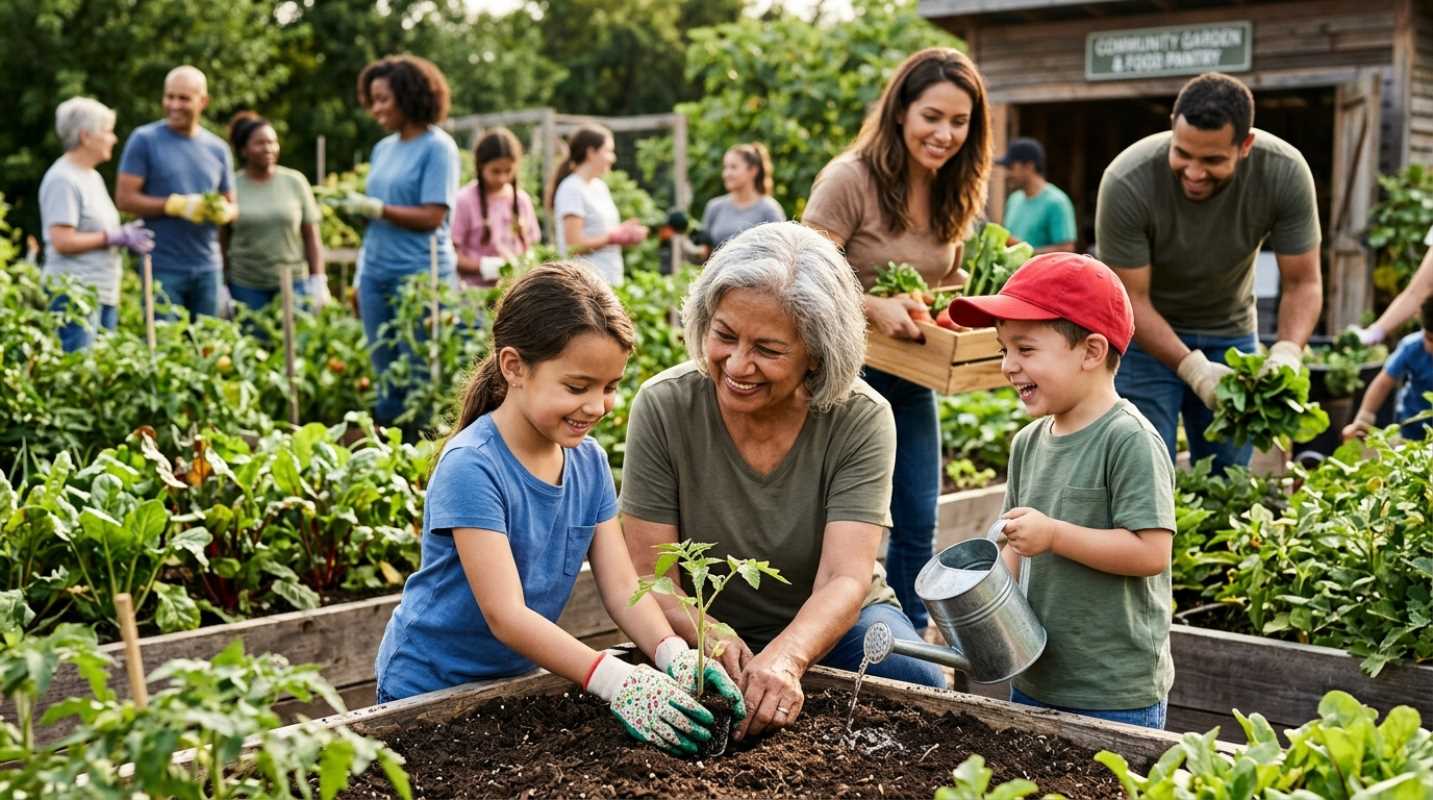
• Community Gardening: Spend a morning working at a local community garden. You can plant, weed, and harvest fresh produce that goes straight to local food pantries.
If you're looking for structured programs or kits to help jumpstart your family's volunteering journey, here are some excellent resources to check out.
How to Make Volunteering a Lasting Family Habit
How do you make sure this doesn't feel like just another chore on an already busy weekend? The trick is to avoid a check-the-box mentality and focus on building real connection.
First, give your kids some autonomy. Let them help choose the causes that align with your family values. If your child is obsessed with animals, start with a shelter. If they love being outside, start with a park cleanup. When they have a say, their motivation goes way up.
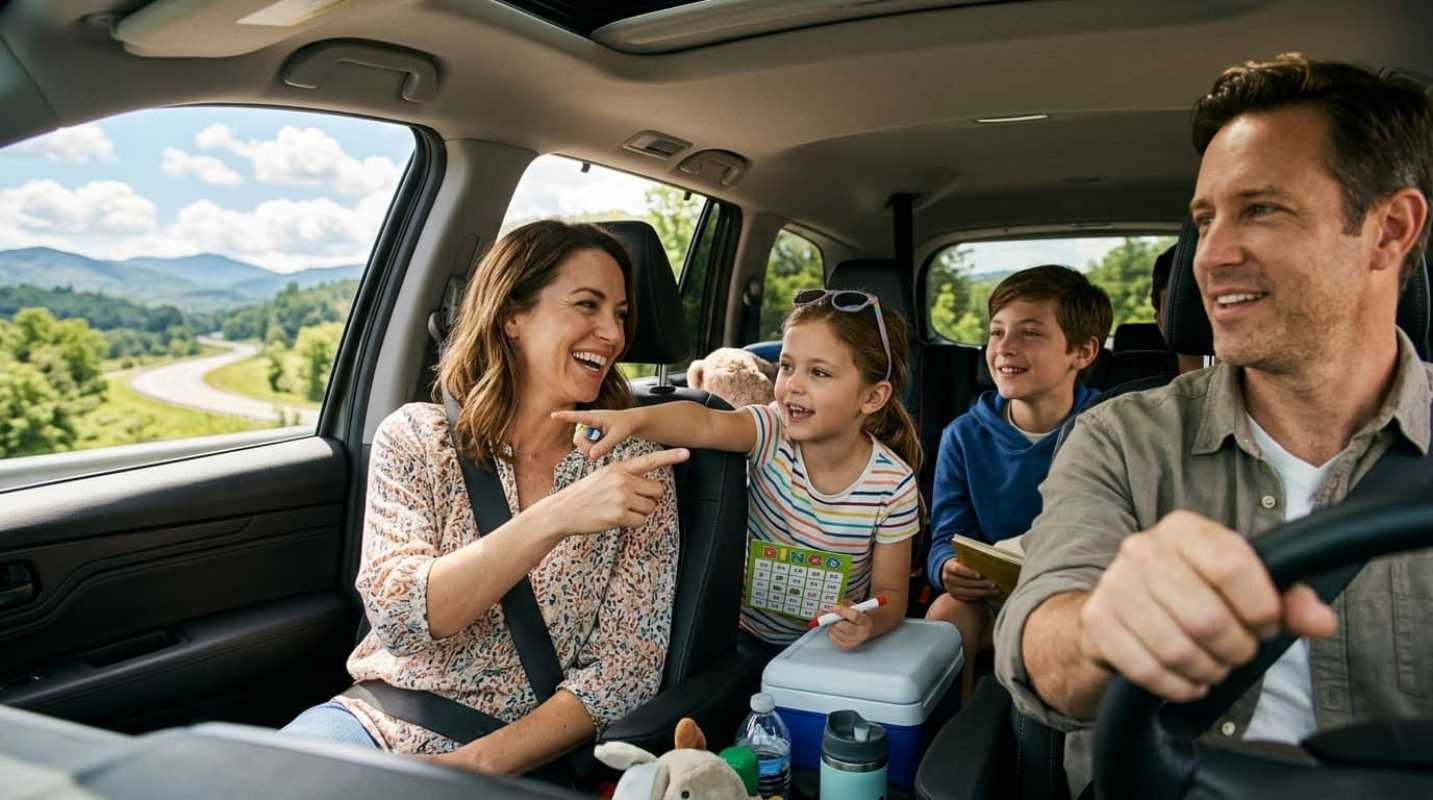
Second, remember that the real empathy lesson happens after the service is done. Use the car ride home to normalize reflection and start open conversations. Brandy Jemczura, the founder of Seeds of Caring, notes that empathy can be taught as early as age 2, and volunteering is a great way to normalize difficult conversations at home about issues like poverty and housing insecurity.⁵
Ask your kids simple, open-ended questions
• What did you notice today?
• How do you think our work helped someone else?
• How did it make you feel to help?
Finally, keep it consistent. Instead of waiting for a holiday to give back, try setting a recurring date, like the first Saturday of every month. This helps build service directly into your family's identity.
Overcoming Challenges and Getting Started Today
Let's be honest: your kids might not jump for joy the first time you suggest spending a Saturday morning picking up trash or packing boxes. If you face some hesitation, don't sweat it. Start small, keep the first few sessions short, and maybe invite another family along to make it feel more like a playdate.
If you're looking for local organizations that welcome family groups, start by checking websites like VolunteerMatch or reaching out to local food banks and animal shelters directly. Many groups are eager to host families and have projects designed specifically for younger hands.
When stressful things happen in the world, volunteering can actually be a great coping mechanism for kids. Dr. Elise Herman, a pediatrician, points out that when children face natural disasters or stressful community events, taking action through volunteering makes them feel less powerless and overwhelmed.³ It shifts them from worrying to active problem-solving.
You don't need to save the world in a single afternoon. Start small, choose one simple project this month, and watch how a little bit of giving can transform your family's perspective.
Sources:
1. Fidelity Charitable
https://www.fidelitycharitable.org/about-us/news/study-shows-that-more-than-80-percent-of-parents-find-success-in-modeling-philanthropic-behavior.html
2. Central Indiana Community Foundation
https://www.cicf.org/youth-philanthropy/
3. Kenosha Visiting Nurse Association
https://www.kvhealthcare.org/2025/12/why-volunteering-is-important-for-your-child/
4. Points of Light
https://www.pointsoflight.org/blog/5-benefits-of-volunteering-as-a-family/
5. Charitable Advisors
https://charitableadvisors.com/empathy-in-action-why-volunteering-with-kids-today-shapes-a-better-tomorrow/